Best Ways to Cut Utility Bills at Home: Proven Strategies for Lower Monthly Costs
You can lower your utility bills without major changes or high costs. Small daily habits and smart upgrades add up fast when you focus on what uses the most energy in your home.
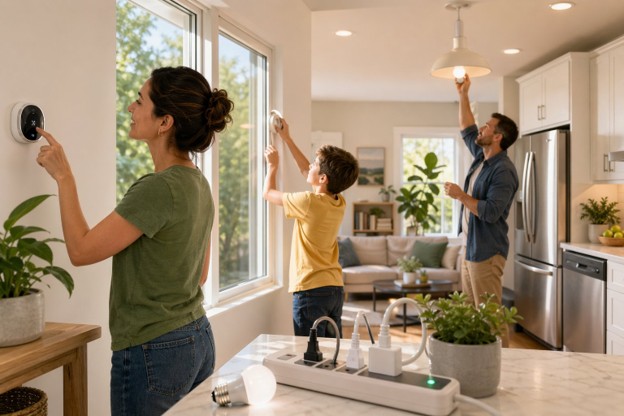
You cut utility bills best by reducing energy waste, upgrading key appliances, and managing how and when you use electricity, water, and heating. When you seal air leaks, adjust your thermostat, switch to efficient lighting, and use appliances wisely, you keep more money each month.
If you choose the right long-term upgrades, you lock in steady savings over time. These steps work in any home and fit almost any budget.
Key Takeaways
- Cut waste first by improving daily habits and fixing small energy leaks.
- Focus on the biggest energy users to lower monthly costs faster.
- Invest in smart upgrades to increase long-term savings.
Proven Strategies for Reducing Home Utility Costs

Improve heating and cooling efficiency, seal air leaks, reduce wasted electricity, and upgrade key equipment to lower your utility bills. These steps target common sources of energy loss and give you clear ways to save money.
Maximize Heating and Cooling Efficiency
Heating and cooling often make up the largest part of your utility bill. Start with better temperature control.
Install a programmable thermostat or a newer smart thermostat. Set it to lower the temperature in winter when you sleep or leave home, and raise it in summer during those same hours.
Even a 7–10 degree change for 8 hours a day can reduce energy use. Schedule regular HVAC maintenance.
Replace air filters every 1–3 months. Dirty filters restrict airflow and force your system to work harder.
Use ceiling fans to support your system. In summer, set fans to spin counterclockwise to push cool air down.
In winter, reverse the direction to circulate warm air. If your system is over 15 years old, consider upgrading to high-efficiency equipment.
Modern units use less energy and maintain steady temperatures more effectively.
Seal Gaps and Add Insulation
Air leaks waste energy and make your heating and cooling system run longer. Sealing gaps is low cost and often quick.
Inspect windows and doors for drafts. Apply caulk around fixed frames and use weatherstripping around movable parts.
Replace worn seals right away. Check areas around pipes, vents, and electrical outlets.
Small gaps add up over time. Use expanding foam or caulking to seal them.
Add insulation in key areas such as the attic, basement, and crawl spaces. Many older homes lack enough insulation, especially in attics.
Adding insulation reduces heat loss in winter and heat gain in summer. Consider a professional energy audit or home energy audit.
An audit uses tools like thermal imaging to find hidden leaks and weak insulation. This helps you target upgrades where they matter most.
Minimize Phantom Power and Electronics Waste
Many devices draw electricity even when you turn them off. This is called phantom power or phantom load.
Common sources include TVs, game consoles, printers, chargers, and microwaves. These small draws add up over time.
Use smart power strips to cut power to devices when you do not use them. Unlike basic power strips, smart models detect when a main device shuts off and stop power to connected items.
Unplug chargers and small appliances when you do not need them. Chargers still use energy even when they are not connected to a phone or laptop.
Enable energy-saving modes on computers and TVs. Set devices to sleep after short periods of inactivity.
Upgrade Lighting and Appliances
Lighting upgrades offer one of the fastest returns. Replace old bulbs with LED bulbs.
LED lighting uses far less electricity than incandescent or halogen bulbs and lasts much longer. Focus first on high-use areas like kitchens, living rooms, and outdoor fixtures.
When you replace major appliances, choose energy-efficient appliances with high efficiency ratings. Look for models that use less water and electricity, especially for refrigerators, dishwashers, and washing machines.
Run dishwashers and laundry machines with full loads. Use cold water for washing clothes when possible.
Small upgrades, such as switching to LED lighting and replacing aging appliances, reduce energy use without changing your daily routine.
Boosting Long-Term Savings With Advanced Upgrades
Large upgrades can cut your utility bills for many years. Solar power and smart water use lower monthly costs and raise your home’s value.
Invest in Rooftop Solar and Renewable Solutions
Rooftop solar panels let you produce your own electricity instead of buying it from the grid. This lowers your monthly power bill and protects you from rate hikes.
Most systems last 20–25 years. Many states offer tax credits, rebates, or net metering, which lets you earn credit for extra power you send back to the grid.
Before you install rooftop solar, check:
- Your roof age and condition
- Sun exposure and shade
- Local incentive programs
- Financing options and payback period
You can also run appliances at night if your utility offers time-of-use rates. Pairing solar panels with smart timing reduces peak-hour costs.
Solar works best in an energy-efficient home. Seal air leaks and upgrade insulation first so you do not waste the power you generate.
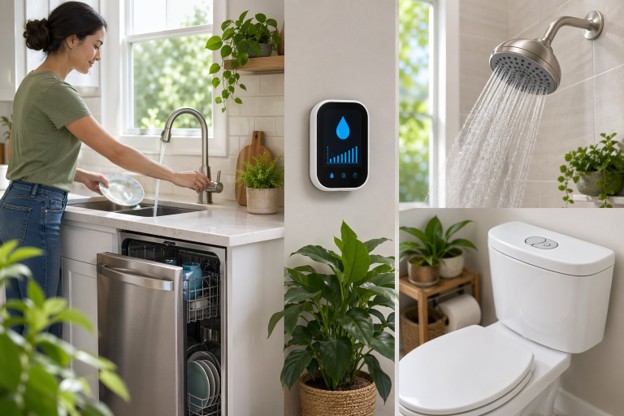
Optimize Water Usage and Habits at Home
Hot water makes up a large part of your energy bill.
Cutting water use saves both water and heating costs.
Install a low-flow showerhead to reduce water flow without hurting pressure.
This simple change can cut shower water use by up to 30%.
Take shorter showers.
Even reducing your shower time by two minutes lowers monthly costs.
Wash clothes in cold water whenever possible.
Cold cycles use much less energy than hot ones and still clean most loads well.
Always run full loads in your dishwasher and washing machine.
Half loads waste water and power.
Fix leaks fast.
A dripping faucet or running toilet can waste hundreds of gallons each month and raise your bill.