How To Stop Impulse Spending Habits: Practical Strategies That Work
Impulse buying can drain your money before you even notice it. A quick online deal or a last-minute add-on at checkout may feel small, but those impulse purchases add up and push your financial goals further away.
You can take back control of your spending habits with simple, clear steps.

You stop impulse spending by pausing before you buy, spotting your triggers, and building habits that protect your money. When you understand why you make impulse purchases, you can replace quick reactions with better choices.
Small changes in daily routines can improve your personal finance and help you keep more of what you earn.
You do not need extreme rules or strict budgets to fix this. You need awareness, a plan, and steady action.
Key Takeaways
- Notice what triggers impulse purchases and track your spending patterns.
- Use simple habits that help you pause and think before you buy.
- Align daily spending decisions with clear financial goals.
Recognizing Triggers and Patterns

You cannot stop impulse spending until you see what causes it. Your emotions, daily routines, and the way stores are designed all shape your spending habits.
Understanding Emotional Spending
Emotional spending happens when you buy to change how you feel. You might shop when you feel stressed, bored, lonely, or even excited.
This is often called retail therapy. You may notice a pattern.
A hard day at work leads to late-night online shopping. An argument leads to a quick trip to the mall.
The purchase gives short relief, but the feeling returns. Over time, this cycle can turn into shopping addiction.
You chase the mood boost instead of meeting a real need. That leads to overspending and regret.
Track your emotions in a spending journal. Write down:
- What you bought
- How you felt before buying
- How you felt after buying
This simple habit helps you connect emotional spending to specific feelings. Once you see the link, you can choose a different response, such as taking a walk or calling a friend.
Identifying Shopping Triggers
A trigger is anything that pushes you toward an impulse buy. Some triggers are emotional, but many are practical and easy to miss.
Common shopping triggers include:
- Sales emails and app alerts
- Social media ads
- Walking through a store “just to look”
- Payday deposits
- Free shipping offers
You may also experience vicarious ownership. This happens when you imagine the product as already yours.
You picture wearing the jacket or using the new phone. That mental image makes it harder to walk away.
Review your recent purchases. Look for patterns in time, place, and situation.
Do you shop late at night? Do you spend more when you feel rushed?
When you name your triggers, you weaken their power. You move from reacting without thought to making clear decisions.
The Role of Marketing and Retail Environments
Stores and websites are built to increase spending. Product placement, lighting, music, and layout all guide your behavior.
For example, stores place small, low-cost items near checkout. These items target impulse buys.
Online stores show “related products” to keep you browsing longer. Retailers also use limited-time offers and countdown timers.
These tactics create urgency. You feel pressure to act fast, even when you do not need the item.
Bright signs, bold colors, and large discount labels pull your attention. On websites, pop-ups and flashing deals do the same.
When you understand these tactics, you shop with more control. You can pause and ask, “Do I need this, or am I reacting to the setup?”
Impact of One-Click Checkout and Saved Payment Methods
Technology has removed friction from spending. One-click checkout and saved payment methods make buying fast and easy.
In the past, you had to enter card details each time. That pause gave you a moment to think.
Now, you can complete a purchase in seconds. Speed increases impulse spending.
The less effort required, the less time you have to question the decision. Review your online accounts.
Remove saved payment methods if you struggle with overspending. Turn off one-click checkout when possible.
Adding small barriers creates space between urge and action. That space helps you choose based on need, not impulse.
Strategic Habits to Curb Impulse Spending
You can stop impulse spending when you use clear rules, firm limits, and simple tracking tools. These habits give you control over your money and help you save money without feeling restricted.
Implementing the 24-Hour Rule
The 24-hour rule creates space between desire and action. When you want to buy something that is not essential, wait one full day before you pay for it.
During that time, ask yourself:
- Do I need this, or do I just want it?
- Will I still use it in a month?
- Does it fit in my budget?
If the item costs more than a set amount, such as $100, extend the wait to 48 or 72 hours. This pause helps you stop impulse buying driven by emotion, stress, or sales pressure.
Remove stored credit card details from online stores. Avoid one-click checkout.
Small delays reduce fast decisions. Many urges fade when you give them time.
Budgeting and Setting Spending Limits
You cannot stop impulse spending without a clear plan for your money. You need to make a budget that shows exactly where each dollar goes.
Start with fixed costs like rent, utilities, and insurance. Then assign money to food, transport, and savings.
What remains becomes your flexible spending. Set firm spending limits for problem areas such as:
- Eating out
- Clothes
- Online shopping
- Entertainment
If your dining budget is $200 per month, stop spending when you reach that number. Do not “borrow” from savings to cover extras.
Use simple budgeting tools like a spreadsheet or budgeting app. The key is clarity and consistency.
Strong budgeting builds discipline. Discipline supports financial freedom.
Tracking Purchases and Using Spending Journals
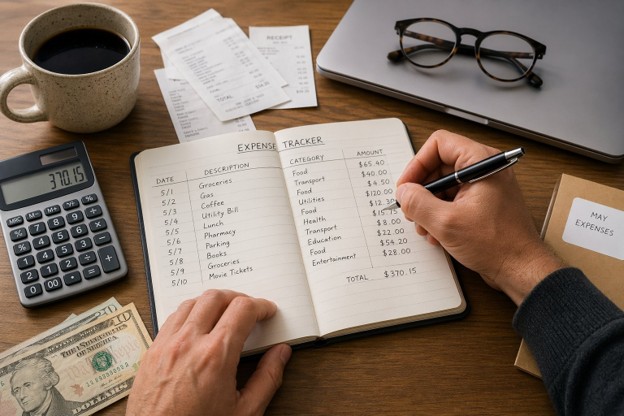
You cannot change what you do not measure. A spending tracker shows your real habits, not what you think you spend.
Track every purchase for at least 30 days. Record:
- Date
- Item
- Cost
- Reason for buying
A spending journal adds insight. Write down how you felt before and after each purchase.
You may notice patterns, such as shopping when bored or stressed. Review your spending tracker once a week.
Look for small leaks, like daily coffee or random online deals. Even $5 purchases add up.
Tracking builds awareness. Awareness helps you stop impulse spending before it happens again.
Techniques Like No-Spend Challenges, Cash Envelope System, and Automating Savings
A no-spend challenge sets strict rules for a short time. For example, spend only on rent, groceries, gas, and bills for 30 days.
This reset helps you break automatic buying habits.
The cash envelope system adds physical limits. Label envelopes for categories like groceries, dining, and fun.
Place your budgeted cash inside. When the envelope is empty, stop spending.
Paying with cash makes spending feel real and harder to ignore.
You can also automate your savings. Set up automatic transfers to savings right after each paycheck.
Treat savings like a required bill.