How To Save Money On Coffee Daily: Practical Strategies That Actually Work
You likely spend more on coffee than you think. A daily café stop may seem small, but the cost adds up fast over a month.
If you want to keep more money in your pocket, you need a simple plan.

You can save money on coffee daily by brewing at home, buying beans in bulk, and cutting back on café visits.
Small changes in how you buy and make coffee can lower your costs without giving up your routine. You stay in control of both your budget and your cup.
When you make smarter choices with your coffee habits, you reduce waste and avoid impulse buys.
Over time, those steady savings can free up cash for other goals.
Key Takeaways
- Brew your coffee at home and limit café purchases to cut daily costs.
- Buy beans or grounds in larger sizes and use simple equipment to save more.
- Make small, consistent changes to your coffee habits to increase long-term savings.
Proven Strategies for Cutting Coffee Costs
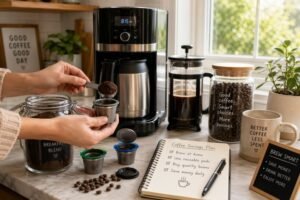
You can lower your daily cost of coffee by changing where you brew, how you brew, and how you buy supplies.
Small shifts in routine can lead to steady coffee savings without giving up taste or quality.
Make Coffee at Home
Brewing at home is the most direct way to save money on coffee. A typical coffee shop habit can cost $4 to $6 per cup.
Making drip coffee at home often costs less than $0.50 per cup, even with quality beans.
A basic drip coffee maker, French press, or pour over setup costs less than a week of café drinks. After that, your main expense is beans.
If you drink one cup a day, switching from a shop to home brewing can save you over $1,000 per year.
Homemade cold brew also cuts costs. Cold brew at home requires coarse grounds, water, and time.
You can make several servings at once and store them in the fridge for up to a week.
Bring your own cup when you buy coffee out. Some shops offer small discounts for a coffee travel mug or reusable cup.
Choose Budget-Friendly Brewing Methods
Your brewing method affects both flavor and your coffee budget. Some coffee makers cost more over time due to filters or pods.
Single-serve coffee makers often rely on single-use pods. These pods cost more per cup than ground coffee.
Switch to reusable K-cups or reusable coffee pods to lower the price per serving.
Manual methods like French press, AeroPress, and pour over give you control and reduce waste. They have no ongoing paper pod costs.
A reusable coffee filter also removes the need for disposable filters.
Compare the average cost per cup:
- Drip coffee (ground beans): ~$0.30–$0.60
- Single-use pods: ~$0.70–$1.20
- Reusable pod with ground coffee: ~$0.30–$0.60
Choose a quality coffee maker that fits your routine. A reliable machine prevents leaks, waste, and early replacement costs.
Smart Approaches to Buying and Storing Beans
Buy beans wisely to save money on coffee at home. Look at the price per ounce, not just the total price.
Larger bags often cost less per ounce. Store brands and budget coffee options can taste good when brewed well.
Test small amounts before committing to a large bag. Avoid impulse buys based on packaging.
Store beans in an airtight container away from light and heat. Do not keep them in the fridge, as moisture can affect flavor.
Buy only what you will use in two to four weeks for the best balance of freshness and cost.
Grind beans at home if possible. Whole beans stay fresh longer, which reduces waste and protects your coffee savings.
Reduce Waste and Maximize Savings
Wasted coffee raises your daily cost of coffee. Measure your grounds and use about 1 to 2 tablespoons per 6 ounces of water, then adjust to taste.
Avoid dumping leftover coffee. Make smaller batches if you often pour extra down the sink.
For cold drinks, turn leftover drip coffee into iced coffee instead of throwing it away.
Replace disposable items with reusable tools:
- Reusable coffee filters
- Reusable coffee pods
- A durable coffee travel mug
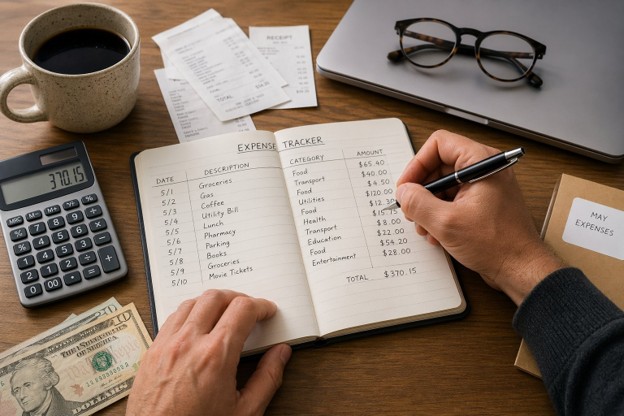
Track your coffee budget for one month. Write down what you spend on beans, filters, and café visits.
Seeing the numbers helps you adjust habits and stay focused on long-term coffee savings.
Advanced Tactics to Boost Your Coffee Savings
Small changes in how you buy, grind, and flavor your coffee can cut your daily cost by half or more.
Focus on freshness, bulk pricing, and smart rewards to keep quality high while spending less.
Grind Your Own Beans for Maximum Freshness
Grinding your own beans lowers cost and improves taste at the same time. Pre-ground coffee often costs more per ounce and loses flavor faster after opening.
Buy whole beans and grind only what you need each day. A burr grinder gives a more even grind than a blade grinder.
Blade grinders can heat and unevenly chop beans. Burr grinders cost more upfront, but they improve flavor and reduce waste from bad brews.
Match the grind size to your method. Use coarse for French press, medium for drip, and fine for espresso.
This prevents weak or bitter cups that lead you to toss coffee and brew again.
Store coffee beans in an airtight container away from heat and light. Do not freeze small daily portions unless you seal them well.
Proper storage keeps your beans fresh longer, so you do not throw away stale coffee.
Bulk Buying and Coffee Subscriptions
Buying coffee beans in bulk lowers the price per pound. Many local roasters and online sellers offer discounts when you buy two- or five-pound bags.
Before you buy whole beans in bulk, check how much coffee you drink each week. If you brew one 12-ounce cup daily, you use about 0.75 ounces of beans per cup.
That equals roughly one pound every three weeks. Choose roast types based on your taste and brew method.
- Light roast: brighter flavor, higher caffeine by volume
- Medium roast: balanced and common for drip machines
- Dark roast: bold taste, works well for milk drinks
A coffee subscription can lock in lower pricing and free shipping. Look for flexible plans that let you pause or change delivery dates.
Avoid plans with high shipping fees or no skip option, since wasted bags cancel out savings.
Take Advantage of Coffee Deals and Rewards
Use store rewards programs when you buy coffee outside your home. Many chains offer a free drink after a set number of purchases.
Load your app with discounted gift cards bought from trusted retailers. Paying $90 for a $100 card gives you an instant 10% savings before rewards points.
Check grocery ads for weekly coffee deals. Stock up when your favorite brand goes on sale, especially for medium roast or dark roast varieties you use often.
Pair sales with digital coupons to lower the final price. Track your spending for one month.
If you see frequent café visits, set a weekly limit and move extra funds to your grocery budget for buying coffee beans instead.
Flavorful Upgrades at Home Without the Cost
You can recreate café-style drinks at home for a fraction of the price.
A basic milk frother lets you make lattes and cappuccinos without an espresso bar.
Heat milk on the stove or in a microwave.
Froth it for 10–20 seconds.
Whole milk froths best.
2% and some oat milks also work well.
Add simple flavors without buying expensive syrups.
Stir in:
- A pinch of cinnamon or cocoa powder
- A drop of vanilla extract
- A small spoon of honey or brown sugar
Buy larger spice containers instead of single-serve flavor pods.
Skip costly creamers and use regular milk with your own flavor mix.
You control the taste and cut your cost per cup to well under one dollar.