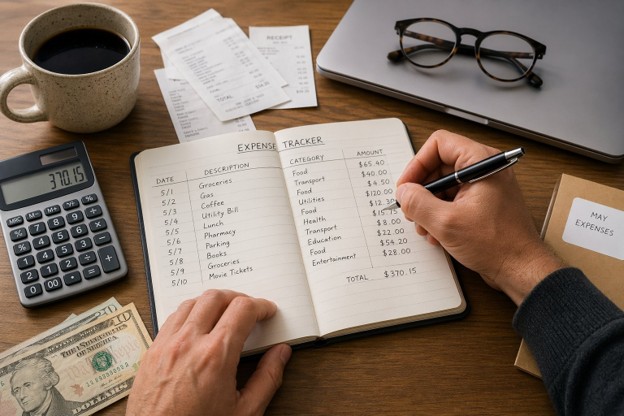
Ways to Reduce Water Bill at Home: Proven Strategies for Lower Monthly Costs
You can lower your water bill without changing your lifestyle in a big way.
Small daily habits and a few smart upgrades can cut waste and keep more money in your pocket.
You reduce your water bill by using less water through simple habit changes, fixing leaks, and installing efficient fixtures.
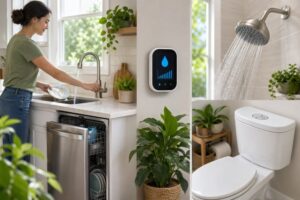
Every drip, long shower, and overwatered lawn adds up.
When you take control of how water flows through your home, you control your costs.
Simple steps like checking for leaks and adjusting how you water outside can make a clear difference each month.
If you want steady savings and less waste, focus on the areas where you use the most water.
Key Takeaways
- Small daily habits and quick fixes can lower your monthly water costs.
- Smart upgrades inside your home reduce waste and improve efficiency.
- Outdoor water use plays a major role in your total bill.
High-Impact Strategies for Cutting Water Costs
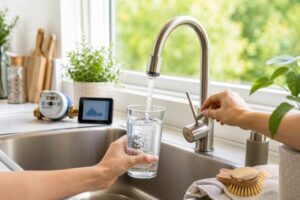
You can shrink your water bill by stopping water waste at the source and upgrading the fixtures and habits that use the most water.
Focus on leaks, showers, toilets, and appliances because they drive most of your water and sewer bill each month.
Identify and Fix Household Leaks
Household leaks waste thousands of gallons each year.
Even a small leaky faucet can add up over time and raise your average water bill.
Start with simple leak detection.
Check for leaks by reviewing your water meter before and after a two-hour period when no water runs.
If the number changes, you likely have hidden leaks.
Inspect these common trouble spots:
- Toilets – Add food coloring to the tank. If color appears in the bowl without flushing, you have a leak.
- Faucets and showerheads – Look for drips or pooling water.
- Pipes under sinks – Check for moisture or corrosion.
Fix leaks as soon as you find them.
Replace worn flappers in toilets and washers in faucets.
Tighten loose fittings.
Insulate exposed pipes to prevent cracks in cold weather.
Quick repairs reduce water waste and protect you from higher utility bills.
Upgrade to Water-Efficient Plumbing Fixtures
Old fixtures use more water than necessary.
Replacing them can lower your water and sewer bill without changing your daily routine.
Install low-flow fixtures in bathrooms and kitchens.
Add low-flow aerators to faucets.
These low-flow aerators cut water use while keeping steady pressure.
Replace old toilets with WaterSense toilets.
A WaterSense label means the toilet meets strict water-saving standards.
Many models use 1.28 gallons per flush or less.
You can also choose dual-flush toilets.
A dual-flush toilet gives you two flush options: one for liquid waste and one for solid waste.
This design helps you save water with each use.
Upgrade to a low-flow showerhead.
When you install a low-flow showerhead, you can reduce water use by several gallons per shower.
Look for the WaterSense label to confirm efficiency.
Toilet replacement and fixture upgrades cost money upfront, but they often lower your average water bill within a year.
Shorten Showers and Modify Shower Habits
Showers use a large share of indoor water.
Small changes in your routine can shrink your water bill quickly.
Use a shower timer to limit showers to five minutes.
Cutting just two minutes per shower can save many gallons each week.
Try a navy shower.
Turn off the water while you lather and shampoo.
Turn it back on only to rinse.
This simple habit can cut shower water use by half.
Lower your water heater temperature to around 120°F.
This step reduces energy use and limits how much hot water you consume.
It also helps prevent burns.
Combine these habits with a low-flow showerhead for better results.
Optimize Appliance and Laundry Use
Appliances use large amounts of water when you run them often or with small loads.
Change how and when you use them.
Always run full loads in your dishwasher and washing machine.
Half loads waste both water and energy.
Upgrade to Energy Star dishwashers and Energy Star washers if your machines are old.
An Energy Star dishwasher uses less water per cycle than standard models.
An Energy Star washing machine adjusts water levels to match the load size.
Look for water-efficient appliances with high efficiency ratings.
These models clean well while using less water.
Review your monthly utility bills to track progress.
If you use appliances wisely and upgrade when needed, you can lower your average water bill and reduce long-term water waste.
Outdoor and Advanced Conservation Methods
Outdoor water use often makes up a large part of your water bill.
You can lower costs by upgrading irrigation systems, choosing drought-tolerant landscaping, reusing water, and using rebate programs that support water efficiency.
Modernize Irrigation and Outdoor Watering
Old irrigation systems waste water through leaks, overspray, and poor timing.
Check your system at the start of each season and repair broken sprinkler heads or cracked lines.
Install a smart irrigation controller to adjust watering based on local weather.
Many smart irrigation controllers connect to Wi-Fi and use real-time data to avoid watering during rain.
This reduces outdoor water use without harming your lawn.
Switch to drip irrigation for gardens and flower beds.
Drip systems send water directly to plant roots, which limits evaporation and runoff.
You use less water while keeping plants healthy.
Water early in the morning, usually before 10 a.m.
This reduces water loss from heat and wind.
If you wash your car often, consider using a commercial car wash that recycles water.
Many facilities use water conservation systems that treat and reuse water, which lowers demand on local water supplies.
Implement Water-Smart Landscaping
Your yard design affects how much water you use each month.
Replace high-water grass with native plants and drought-tolerant landscaping.
Native plants grow well in your local climate and need less watering.
Once established, many require little to no extra irrigation.
Group plants by water needs.
This method, called hydrozoning, prevents overwatering some areas while underwatering others.
Add mulch around trees and garden beds.
A 2–3 inch layer helps soil hold moisture and reduces evaporation.
Limit lawn areas to spaces you actually use.
Grass often requires more water than shrubs or ground cover.
Reducing lawn size can cut outdoor water use by a noticeable amount.
Adopt Water Reuse and Harvesting Techniques
You can lower demand on treated water by reusing what you already have.
Set up a rain barrel under a downspout to collect rainwater from your roof.
A basic rainwater harvesting system can store dozens of gallons after a single storm.
Use this water for gardens, lawns, or outdoor cleaning.
Check local rules before installing large systems.
Some areas offer guidance or permits for safe rainwater harvesting.
You can also reuse greywater from laundry for outdoor irrigation, where local codes allow it.
This reduces pressure on water supplies and supports water conservation during dry months.
Even small systems improve water efficiency and reduce your monthly bill over time.
Access Rebates and Assistance Programs
Many utilities offer utility rebates for smart irrigation systems, drip irrigation, and water-saving upgrades.
These rebates lower upfront costs and shorten payback time.
Ask your water provider about free water conservation kits.
Some kits include low-flow hose nozzles or soil moisture sensors.
Look into low-income water discounts if you qualify.
These programs reduce monthly bills for eligible households.
The Weatherization Assistance Program (WAP) and some home energy rebates also support water efficiency upgrades that save energy, such as efficient water heaters or plumbing fixes.
Contact your local agency to review options.