Cooking At Home Vs Eating Out Cost Comparison: What You Really Spend in 2026
You face this choice every week: cook at home or eat out.
Both options cost money, time, and effort.
The real question is which one gives you better value for your budget.

Cooking at home almost always costs less per meal than eating out, especially when you plan meals and use simple ingredients.
Restaurants charge for labor, rent, service, and profit, and those costs raise your bill fast.
When you cook, you control the ingredients, portion size, and total cost.
If you want to stretch your food budget without giving up good meals, you need to see where your money actually goes.
Key Takeaways
- Cooking at home usually lowers your cost per meal compared to dining out.
- Restaurant prices include extra costs that increase your total bill.
- Planning meals and shopping smart help you get more value from your food budget.
Key Cost Drivers: Home Cooking Versus Dining Out

Your total food spending depends on more than just the price on a menu or a grocery receipt.
Ingredient costs, restaurant pricing, delivery fees, tipping, and your time all shape the real difference between home cooking costs and eating out costs.
Direct Ingredient and Meal Costs
When you cook at home, you pay for raw ingredients, not finished meals.
A pound of rice, a pack of chicken breasts, or a bag of vegetables can stretch across several meals.
This lowers your average home-cooked meal cost.
For example, a $12 pack of chicken might serve four people.
That brings the protein cost to $3 per serving before adding sides.
In contrast, a single chicken entrée at a restaurant often costs $14 to $20.
Home cooking costs also depend on waste and portion control.
If you throw away unused produce, your ingredient costs rise.
If you plan meals and use leftovers, you reduce the cost per plate.
Restaurant prices bundle food, labor, rent, and profit into one charge.
You pay for more than ingredients.
You pay for preparation, service, and the dining space.
Portion sizes also matter.
Some restaurants serve large portions, which may justify higher restaurant pricing if you split meals or save leftovers.
Still, the base restaurant cost per serving is usually higher than cooking at home.
Additional Restaurant Expenses and Delivery Fees
The cost of eating out goes beyond the menu price.
You often pay sales tax, tipping, and service fees.
A $20 meal can quickly become $26 or more after a 20% tip and tax.
If you order delivery, expect added delivery fees, service charges, and sometimes higher menu prices on the app.
Many delivery platforms add:
- Delivery fees ($2–$8)
- Service fees (10%–20%)
- Small order fees
- Optional driver tips
These costs increase eating out costs without increasing portion sizes or food quality.
Restaurants also adjust pricing to cover overhead such as staff wages and utilities.
You absorb these costs through higher menu prices.
At home, you avoid tipping and delivery fees.
Your extra costs may include cooking oil, spices, and utilities like gas or electricity, but these usually add only a small amount per meal.
Opportunity Cost and Time Investment
Your time has value.
Cooking at home requires meal planning, grocery shopping, preparation, and cleanup.
A simple dinner may take 30 to 60 minutes of cooking time.
More complex meals take longer.
If you value your free time highly, this creates an opportunity cost.
Eating out saves time.
You sit down, eat, and leave.
Delivery saves even more effort but adds higher fees.
Cooking larger batches can lower both home cooking costs and time per meal.
When you prepare food for several days at once, you spread the cooking time across multiple servings.
If you earn income during the time you would spend cooking, the opportunity cost increases.
If you would otherwise relax at home, the trade-off looks different.
Practical Strategies to Maximize Food Value
You control most of your food spending through daily choices.
By cutting food waste, planning meals, buying smart, and tying meals to your financial goals, you stretch every dollar whether you cook at home or eat out.
Reducing Food Waste and Managing Leftovers
Food waste raises your real cost per meal.
When you throw away unused produce or spoiled leftovers, you waste both food and money from your food budget.
Track what you toss each week.
Write it down for a month.
Patterns will appear, such as unused salad greens or forgotten leftovers.
Store food where you can see it.
Keep leftovers at eye level in clear containers and label them with dates.
Plan one night each week to eat leftovers before you cook something new.
Turn leftovers into new meals.
Roast chicken becomes tacos, soup, or sandwiches.
Extra rice turns into fried rice with frozen vegetables.
If you eat out, bring home unfinished portions.
One restaurant meal can often become two meals, which lowers your dining out cost per serving.
Smart Meal Planning and Prepping Techniques
Meal planning reduces impulse spending and last-minute dining out.
When you decide meals in advance, you shop with purpose instead of guessing.
Start with a simple plan for 4–5 dinners per week.
Leave space for leftovers or a low-cost night like pasta or eggs.
Build your grocery list from your plan and check your pantry first.
This prevents buying items you already have and supports better personal finance habits.
Meal prepping saves both time and money.
Cook large batches of staples like rice, beans, or chicken at the start of the week.
Use this basic structure:
- Protein: chicken, beans, eggs
- Vegetables: fresh or frozen vegetables
- Carb base: rice, pasta, potatoes
Mix and match these parts into different meals.
You cook at home more often and reduce the urge to eat out when you feel busy.
Leveraging Bulk Buying and Frozen Ingredients
Buying in bulk lowers the cost per unit, but only if you use the food.
Focus on items you eat every week.
Good bulk options include:
- Rice and dry beans
- Oats and pasta
- Frozen vegetables
- Family packs of meat you can freeze
Divide large packs into smaller portions before freezing.
Label each package with the date.
This step protects you from food waste and keeps your freezer organized.
Frozen vegetables often cost less than fresh and last longer.
They work well in soups, stir-fries, and casseroles.
You reduce spoilage and keep healthy options ready for home cooking.
Avoid bulk buying for items you rarely use.
Saving 50 cents per unit does not help if you throw half of it away.
Aligning Meal Choices With Financial Goals
Your food choices should match your financial goals.
If you want to pay off debt or grow savings, your food spending must reflect that plan.
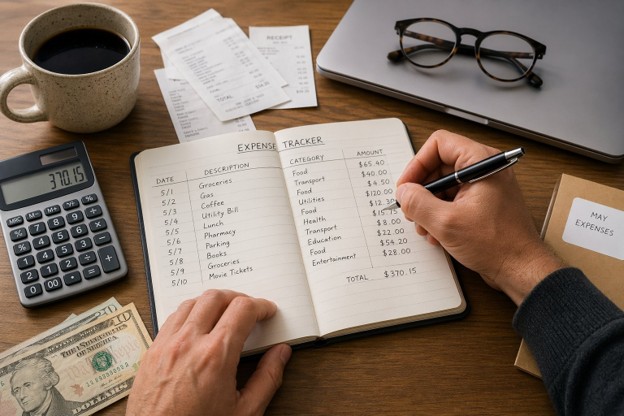
Set a clear monthly food budget.
Separate it into categories such as groceries and eating out.
Track both numbers.
If dining out takes a large share, reduce it by one or two meals per week.
Replace those meals with simple home cooking like sheet pan dinners or slow cooker meals.
Review your spending each month.
Ask if your habits support your goals in personal finance.