How to Eat Out on a Budget Without Overspending: Smart Strategies That Work
Eating out can drain your wallet fast if you do not plan ahead. Prices add up with drinks, extras, and impulse orders.
You can still enjoy meals out without feeling stressed about the bill.

You can eat out on a budget by planning ahead, choosing wisely, and using discounts to lower the total cost. Small choices, like checking menus online or splitting large portions, make a real difference.
When you stay aware of prices and specials, you stay in control of your spending.
With a few smart habits, you enjoy your favorite spots and keep more money in your pocket.
You do not need to give up dining out. You just need a simple plan that works.
Key Takeaways
- Plan ahead and review menus and prices before you go out.
- Make smart choices like sharing meals or skipping high-cost extras.
- Use deals, rewards, and discounts to reduce your total bill.
Smart Strategies for Eating Out on a Budget

You can enjoy eating out on a budget when you plan with clear limits and use simple tactics.
Set a firm spending cap, choose the right time to go, look for lunch and daily specials, and share meals to lower your total cost.
Establishing Your Restaurant Budget
Start by setting a clear restaurant budget for the month. Look at your income and fixed bills, then decide how much you can safely spend on dining out on a budget without using credit.
Break your eating out budget into weekly limits. For example:
- $100 per month = about $25 per week
- $60 per month = about $15 per week
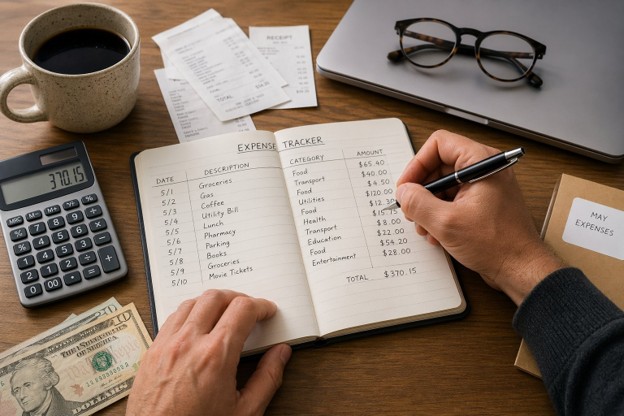
Track every meal in a notes app or small notebook. Record the total, including tax and tip.
This step helps you see patterns and limit eating out before it affects your savings.
Set simple rules. You might allow one sit-down meal each week or two low-cost meals like coffee and a sandwich.
When you reach your limit, stop spending. Clear limits make it easier to save money eating out and avoid impulse visits.
Timing Your Meals for Maximum Savings
Time affects how much you spend. Dinner often costs more than lunch, even at the same restaurant.
Portions stay similar, but prices rise. Choose weekdays over weekends when possible.
Many restaurants raise prices or remove deals on Friday and Saturday nights. Going earlier in the day also helps you avoid add-on drinks and desserts.
Happy hour can lower food costs, not just drink prices. Some places offer discounted appetizers that work as small meals.
Check the restaurant’s website or social media before you go. Look for posted specials or limited-time offers.
Planning your visit around these deals helps you save money at restaurants without cutting quality.
Making the Most of Lunch and Daily Specials
Lunch specials often give you the best value. Restaurants price them lower to attract daytime traffic.
You may get:
- A main dish
- A side
- A drink
All for less than the regular dinner price of the same item.
Daily specials also help with restaurant savings. Many places rotate discounted meals on certain days, such as taco Tuesday or pasta night.
Build your dining out plans around these offers. If portions run large, ask for a to-go box at the start.
Split the meal into two servings right away. You turn one purchase into two meals, which helps you save money eating out over the week.
You can also eat an appetizer as a meal. Many appetizers cost less than full entrees but still fill you up.
Add water instead of soda or alcohol to keep the total low.
Splitting and Sharing Meals
Large portions make it easy to split a meal. Sharing lowers your bill right away and reduces waste.
When you share a meal, order one entree and an extra side if needed. This approach often costs less than buying two full plates.
You still enjoy the restaurant experience while keeping your eating out budget under control. You can also split an appetizer and a main dish.
Or share a dessert instead of ordering two. Tell the server you plan to share.
Some restaurants charge a small split fee, so ask first. Even with a small fee, you usually spend less than ordering separate meals.
Sharing works well for families, couples, and friends. It remains one of the simplest ways to save money at restaurants while still eating what you enjoy.
Unlocking Restaurant Discounts and Rewards
You can cut your restaurant budget fast when you use discounts the right way. Coupons, apps, loyalty programs, and timed deals all lower your bill without lowering food quality.
Leveraging Coupons, Apps, and Discounted Gift Cards
Restaurant coupons still work, especially for chain spots. Check restaurant websites, email lists, and mailers for limited-time restaurant deals.
Many places send a free appetizer or percentage discount when you join their list. Restaurant apps often offer better savings than paper coupons.
You may find app-only deals, buy-one-get-one offers, or points for each visit. Some apps also send alerts during slow hours, which helps you plan cheap ways to eat out.
Discounted gift cards stretch your dollars even further. Sites like CardCash, Rakuten, and LivingSocial sell restaurant gift cards below face value.
If you buy a $50 card for $40, you lock in instant restaurant savings. Cash-back apps such as Ibotta sometimes list dining offers.
Always compare deals before you pay. Small discounts add up when you eat out often.
Taking Advantage of Loyalty Programs and Restaurant Rewards
Loyalty programs reward repeat visits with points, free items, or discounts. Many fast-casual and sit-down chains now run digital restaurant rewards programs through their apps.
You usually earn points based on how much you spend. After you hit a set number, you receive a free meal or credit.
This works well if you already visit that restaurant often. Focus on 2–3 programs you actually use.
Too many accounts make it hard to track rewards. Keep them organized in your phone wallet or budgeting app.
You can also connect dining rewards to certain credit cards. Some cards offer bonus points for dining purchases.
Track your spending with tools like Personal Capital so rewards do not lead to overspending. Restaurant rewards support eating out on a budget only when you avoid buying extra food just to earn points.
Exploring Kids Eat Free and Happy Hour Deals
Many restaurants offer kids eat free nights, usually on weekdays.
These deals often require an adult entrée purchase.
Check the restaurant’s website or call ahead to confirm details.
Happy hour deals provide lower prices on drinks and small plates.
Some spots discount full entrées during early dinner hours.
Arrive between 4 p.m. and 6 p.m. to cut your bill by 20–50%.
Use this quick comparison:
Deal Type | Best For | Key Tip |
Kids Eat Free | Families | Confirm age limits |
Happy Hour Deals | Couples or small groups | Ask about food specials |
Early Bird Menu | Seniors or early diners | Check set menu options |
If you bring your own wine to a restaurant, ask about the corkage fee first.
A high fee can erase your savings.