How To Lower Electricity Bill In Apartment: Proven Ways To Cut Monthly Costs
You can lower your apartment electricity bill by changing a few daily habits and using energy more wisely.
Small actions add up fast when you use power every day.
You can lower your electricity bill by using less energy during peak hours, unplugging unused devices, and choosing efficient lighting and appliances.
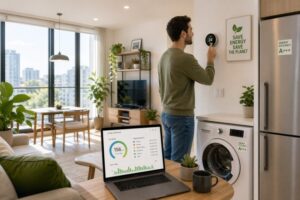
Your apartment may be small, but lights, electronics, and climate control still use a lot of power.
When you manage how and when you use them, you reduce waste and cut monthly costs.
Simple changes often make a clear difference on your next bill.
You do not need major upgrades to see results.
With the right steps, you stay comfortable while spending less each month.
Key Takeaways
- Use simple daily habits to reduce wasted electricity.
- Manage lighting, devices, and temperature settings to cut costs.
- Look for smart energy-saving upgrades that fit your apartment.
Essential Strategies for Reducing Apartment Electricity Costs

You can lower your electric bill by changing how you light your space, power your devices, and control heating and cooling.
Small upgrades and daily energy-saving habits add up over time.
Switch to Energy-Efficient Lighting
Lighting can make up a large part of your apartment’s electricity use, especially if you still use old incandescent bulbs.
Replace them with energy-efficient light bulbs, such as LED bulbs or CFL bulbs.
LED bulbs use up to 75% less energy than traditional bulbs and last much longer.
They also produce less heat, which helps reduce cooling costs in warm months.
Focus on rooms where lights stay on the longest, like the kitchen and living room.
Swap those bulbs first for the biggest impact.
Use this quick comparison:
Bulb Type | Energy Use | Lifespan | Best Choice |
Incandescent | High | Short | No |
CFL | Medium | Medium | Better |
LED | Low | Long | Yes |
Turn off lights when you leave a room.
Use natural light during the day by opening blinds instead of switching on lamps.
Eliminate Phantom Loads and Manage Electronics
Many devices draw power even when you are not using them.
This hidden use is called phantom energy or phantom loads and can account for 5–10% of your electric bill.
Common sources include:
- Phone and laptop chargers
- TVs and gaming consoles
- Coffee makers and microwaves with digital clocks
Unplug chargers when they are not in use.
Do not leave them in outlets all day.
Use a smart power strip to control multiple devices at once.
A smart power strip cuts power to electronics when they enter standby mode.
This makes it easy to stop phantom loads without unplugging each item.
Place smart power strips in areas with many devices, such as your TV stand or home office desk.
This one change can reduce wasted energy every day.
Maximize Heating and Cooling Efficiency
Heating and cooling often cost more than any other part of your electric bill.
You can reduce heating and cooling costs by keeping air inside your apartment.
Check for drafts around windows and doors.
Add weatherstripping or weather stripping to seal gaps.
Install door sweeps and use draft stoppers at the bottom of doors.
If your landlord allows it, seal windows and doors with removable caulk or foam tape.
Even small gaps can let warm or cool air escape.
Use ceiling fans to support your HVAC system.
In summer, set fans to spin counterclockwise to push cool air down.
In winter, reverse the direction to move warm air around.
Keep vents clear of furniture.
Change air filters on schedule if your unit has its own system.
Upgrade to Smart Devices and Controls
Smart devices help you control energy use with less effort.
A smart thermostat, such as an Ecobee or Nest Learning Thermostat, adjusts temperatures based on your schedule.
Set your thermostat a few degrees higher in summer and lower in winter when you are away.
Even a 2–3 degree change can lower costs over time.
If you plan to replace appliances, choose energy-efficient appliances with the ENERGY STAR label.
An Energy Star refrigerator uses less electricity than older models and runs more efficiently.
You can also use smart plugs to control lamps and small appliances.
Schedule them to turn off at night or when you leave.
These upgrades cost money upfront, but they give you more control and reduce waste each month.
Advanced Tactics and Energy-Saving Opportunities
You can cut costs further by choosing the right electricity plan, shifting when you use power, and improving daily habits.
Small changes in timing, shopping, and energy use help you save money on electricity without major upgrades.
Leverage Utility Programs and Smart Shopping
Start by checking if you can shop for electricity in your state.
Many areas allow you to compare suppliers and rates online.
Look for fixed-rate plans if you want stable bills, or time-of-use plans if you can avoid peak hours.
Review the price per kilowatt-hour, contract length, and fees.
Avoid plans with high early termination charges.
Ask your utility about rebates for energy-efficient appliances like refrigerators, window AC units, or smart thermostats.
Some programs also offer bill credits for enrolling in demand response plans, where you reduce use during high-demand periods.
You can also apply for income-based discounts if you qualify.
These programs lower your monthly rate and help you lower your electric bill in apartment settings without changing your lifestyle.
Schedule Appliances Around Peak Hours
Utilities often charge more during peak hours, usually late afternoon and early evening.
Check your utility’s website to confirm exact times.
Run your dishwasher, laundry, or electric oven early in the morning or after 8 or 9 p.m.
If you work from home, avoid running large appliances between 3 p.m. and 7 p.m. when rates often spike.
If you have a time-of-use plan, track your usage through your online account.
Many utilities show hourly data.
Delay charging laptops, tablets, and other devices until off-peak hours.
This simple habit supports your goal of how to lower electric bill in apartment living without buying new equipment.
Perform an Energy Audit and Adopt Sustainable Habits
Request a free or low-cost energy audit from your utility.
An auditor may check insulation, windows, lighting, and appliance use.
Some companies send a kit with LED bulbs and weatherstripping.
You can also perform a basic audit yourself.
Check for drafts near windows and doors.
Seal gaps with removable caulk or draft stoppers.
Replace old bulbs with LEDs.
Unplug devices that stay warm when not in use.
Take shorter showers to reduce hot water use if your unit uses electric water heating.
Wash clothes in cold water and air-dry when possible.
Compare bills month to month so you see what changes lower your electric bill in apartment units like yours.
Explore Renewable Energy and Community Solar Options
Ask your utility about community solar programs.
These programs let you subscribe to a local solar farm without installing panels.
You receive credits on your bill for your share of the energy produced.
This option works well for renters.
Some providers also offer green energy plans.
These plans source power from wind or solar.
Rates may be slightly higher, so compare carefully before enrolling.
Research other renewable energy options available in your area.