How to Reduce Fuel Costs With Smarter Driving Habits
Your right foot controls a large part of your fuel bill. Two drivers in the same car, on the same route, can end up with very different fuel consumption depending on how they accelerate, brake, and hold speed.

Learning how to reduce fuel costs through driving habits is one of the few money-saving moves that costs nothing to start and works on every trip you take. Aggressive driving alone can raise fuel use by roughly 10% to 30% at highway speeds, according to the U.S. Department of Energy.
The rest comes from small, steady choices: correct tire pressure, less weight in the trunk, fewer wasted miles, and less time sitting with the engine running. None of it requires a new car or a special gadget.
Key Takeaways
- Smooth acceleration, gentle braking, and steady speeds cut fuel use more than any single mechanical fix.
- Correct tire pressure, clean filters, and less clutter keep your car from working harder than it needs to.
- Planning routes and combining errands removes miles you never needed to drive.
Driving Behaviors That Use Less Fuel
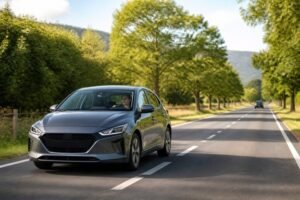
The way you press the pedals decides most of your gas mileage. Easing into speed, holding it, and looking far enough ahead to coast instead of brake will lower your fuel expenses on the same route you drive today.
Why Do Smooth Acceleration and Gentle Braking Matter?
Rapid acceleration burns extra fuel because the engine dumps in more fuel to make quick power. Hard braking then throws that energy away as heat.
Aim to reach your target speed over several seconds. Keep engine speed low, roughly 2,000 to 3,000 rpm in a manual transmission, and shift up early.
Leave a longer gap to the car ahead. That gap lets you lift off the pedal and roll to a stop, so smooth driving replaces the brake-and-surge cycle that drains fuel in stop-and-go traffic.
How Can You Maintain a Steady Speed Safely?
Steady speeds save fuel because the engine settles into an efficient load. Every dip and surge costs a little more fuel than holding a line.
Scan far down the road so traffic lights and merging cars stop surprising you. In traffic congestion, pick a moderate pace and let gaps open in front of you rather than closing them and braking again.
Stay in one lane when traffic is heavy. Lane hopping adds acceleration events without saving real time.
When Does Cruise Control Improve Fuel Economy?
Cruise control helps most on flat highways, where it holds a constant speed better than your foot does. On long, level stretches it removes the small speed drift that raises fuel consumption.
Switch it off on steep hills. Cruise control tries to hold speed uphill by feeding in more throttle, so manual control and a small speed loss on the climb use less fuel.
Wet or icy roads are another time to steer and pace the car yourself.
How Do Speeding and Highway Speeds Raise Fuel Use?
Air resistance rises sharply with speed, so fuel economy drops off past about 50 mph for most vehicles. Every 5 mph above that point works out like paying noticeably more per gallon, based on Department of Energy figures.
Driving 65 instead of 75 on a 300-mile trip saves fuel and adds only a few minutes to your arrival time.
Sticking to speed limits also lowers greenhouse gas emissions from your car and reduces ticket risk.
How Can You Cut Fuel Wasted by Idling?
An idling engine gets zero mpg. Modern engines need almost no warm-up time, so long idling before you drive away wastes fuel with no benefit.
Practical idle reduction steps:
- Turn the engine off if you expect to wait more than about a minute, outside of traffic.
- Skip the drive-through line and park when the queue is long.
- Warm the engine by driving gently for the first mile or two, not by sitting still.
- Avoid remote-starting the car far ahead of when you actually leave.
Restarting uses less fuel than a minute of idling in most gasoline cars.
Vehicle Setup and Trip Choices That Lower Running Costs
Your car’s condition and your trip planning set the baseline that driving style works within. Soft tires, a loaded roof rack, and short hops across town all raise fuel use before you touch the pedals.
How Does Tire Pressure Affect Mileage?
Underinflated tires flex more and create higher rolling resistance, which forces the engine to work harder. Keeping tires at the pressure listed on the driver’s door sticker improves gas mileage by around 3% in typical conditions.
Check pressure monthly when the tires are cold, and check before long trips. Correct pressure also slows tire wear and keeps handling predictable.
Use the vehicle manufacturer’s number, not the maximum pressure printed on the tire sidewall.
Which Maintenance Tasks Support Better Fuel Efficiency?
A car in good condition uses less fuel than a neglected one. Regular oil changes with the grade of motor oil listed in your manual reduce internal friction, and a clogged air filter makes a noticeable difference on older engines.
Worth keeping on schedule:
- Engine oil and oil filter at the interval in your manual
- Air filters, replaced when dirty
- Spark plugs and sensors flagged by a check engine light
- Wheel alignment and suspension components, since misalignment drags the car sideways
Fixing a fault early costs less than replacing parts damaged by vehicle wear.
How Do Weight and Aerodynamic Drag Affect Fuel Use?
Extra weight and extra drag both force the engine to burn more fuel. Roof racks and cargo boxes hurt most, since a loaded roof box can cut highway fuel economy by a large margin.
Remove racks and carriers when you finish using them. Clear heavy items out of the trunk, since every 100 pounds trims fuel economy by roughly 1%.
At highway speeds, closed windows with air conditioning use less fuel than open windows fighting air resistance. Around town, open windows are the cheaper choice.
How Can You Reduce Unnecessary Miles Through Route Planning?
The cheapest mile is the one you skip. Short trips from a cold engine are the least efficient miles you drive, because the engine never reaches its efficient operating temperature.
Group errands into one loop so later stops run on a warm engine. Check traffic before leaving and pick a slightly longer route if it avoids stop-and-go congestion.
For trips under a mile or two, cycling or walking removes the fuel cost completely. Commercial fleets use telematics systems and driver coaching for the same reason: fewer wasted miles, fewer harsh events, and predictive maintenance before small faults grow.
What Changes for Diesel Engines and Electric Vehicles?
Diesel engines reward steady, low-rpm driving and dislike repeated short trips, which can clog exhaust filters. Give a diesel a longer run at steady speed now and then to keep those filters clear.
Electric cars respond to the same smooth inputs, with one addition: regenerative braking returns energy when you slow gradually, so early lifting off the accelerator recovers range that hard braking loses.
Speed hits electric cars hard too, since drag dominates at highway pace. Plan longer drives around charging infrastructure and charge at home overnight when rates are lowest.