Cheapest Ways to Maintain a Car Without Skipping Essentials
Keeping a car running well costs less than most people expect, as long as you spend your money in the right order. The bulk of your savings comes from a handful of small, repeatable tasks that stop big failures before they start.
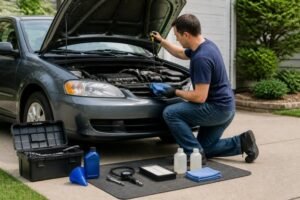
The cheapest ways to maintain a car all share one trait: they protect the parts that cost the most to replace, like the engine, the transmission, and the tires. A skipped oil change can turn into an engine repair worth many times the price of the oil. Underinflated tires wear out early and burn extra fuel every single week.
The rest of your budget goes further when you learn a few simple jobs yourself, ask better questions before approving repairs, and shop for parts with some patience. None of that requires a garage full of equipment or years of experience.
Key Takeaways
- Spend first on oil, tires, and brakes, since neglect there causes the most expensive damage.
- Your owner’s manual sets the correct service schedule, so you never pay for work you do not need.
- Simple DIY tasks, honest quote comparisons, and smart parts shopping cut costs without lowering safety.
Prioritize Maintenance That Prevents Expensive Damage
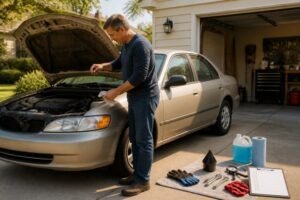
Money spent on regular car maintenance buys you protection against repair bills that run ten or twenty times higher. Clean engine oil, correct tire pressure, and healthy brake pads do more for your maintenance budget than any other spending, and a five-minute monthly check catches leaks and worn parts while they are still cheap to fix.
Use the Owner’s Manual to Set Service Intervals
Your owner’s manual lists exactly when each service is due, and following it keeps you from paying for work too early. Many shops suggest shorter intervals than the manufacturer requires.
Look up the schedule for your mileage and write the next few services in a calendar. Pay attention to the difference between normal and severe driving conditions, since short trips, towing, and dusty roads shift some intervals forward.
Keep every receipt in one folder or photo album on your phone. That record helps at resale and stops you from repeating a service you already paid for.
Why Oil, Tires, and Brakes Come First
These three areas cause the largest repair bills when ignored. Regular oil changes keep the engine clean; skipping them leads to sludge and worn bearings.
Tire maintenance is the cheapest win of all. A tire pressure gauge costs less than a sandwich, and correct pressure improves fuel economy while slowing tire wear. Tire rotations at each oil change spread that wear evenly so all four tires last longer.
Brake maintenance follows the same logic. Replacing brake pads on time costs far less than replacing rotors and calipers after the pads wear down to metal, so ask for a brake inspection whenever the wheels are already off.
Check Fluids, Filters, and Warning Signs Before They Escalate
A monthly look under the hood catches problems while they are still small. Check fluid levels for engine oil, coolant, brake fluid, and windshield washer fluid, and top up what is low.
Item | How often to check | Why it saves money |
Engine oil | Monthly | Low or dirty oil damages the engine |
Coolant | Monthly | Prevents overheating and head gasket failure |
Brake fluid | Monthly | Keeps braking firm and safe |
Transmission fluid | Per manual | Transmission service costs far less than a rebuild |
Engine air filter | Every 12,000-15,000 miles | Protects engine performance and fuel efficiency |
Cabin air filter | Yearly | A cheap swap you can do in minutes |
Warning lights deserve attention the day they appear. A misfire from worn spark plugs or a weak ignition system wastes fuel and can damage the catalytic converter, which is one of the priciest parts on the car.
Build a Low-Cost Monthly Maintenance Routine
Set a repeating reminder and work through the same short list each month. The whole routine takes about fifteen minutes in your driveway.
- Check tire pressure when the tires are cold, including the spare
- Look at tread depth and uneven tire wear
- Check all fluid levels and look under the car for drips
- Clean corrosion off the battery terminals
- Squeeze belts and hoses for softness or cracks
- Test wiper blades and replace streaky windshield wipers
- Note any new noise from the shocks or struts over bumps
Write down what you find. A short log turns vague worries into a clear list you can price out before anything fails.
Cut Labor and Parts Costs Without Cutting Corners
Labor and parts markup make up most of a repair bill, so you save the most by handling simple jobs yourself and shopping carefully for everything else. A few beginner-friendly DIY car repairs, a habit of getting written quotes, and knowing where to source parts can shrink your yearly spending while safety-critical work still goes to a professional.
Which DIY Jobs Are Worth Learning First?
Start with tasks that need few tools and carry little risk. Battery replacement, air filter swaps, wiper blade changes, and topping up fluids each take under thirty minutes and need almost no experience.
Next, learn to check and adjust tire pressure and to rotate tires with a jack, jack stands, and a torque wrench. Proper torque on lug nuts is the one step you should never guess at.
Watch a repair video for your exact make, model, and year before you begin. Small design differences change the steps, and the wrong approach can break a clip or sensor that costs more than the part you set out to replace.
When Should You Call a Trusted Mechanic?
Hand over anything involving brakes on the hydraulic side, suspension, airbags, timing components, or the fuel system. Mistakes in those areas create safety risks that dwarf the labor you saved.
Also call a professional when a job needs a lift, a diagnostic scanner beyond basic code reading, or specialty tools you would use once. Paying for one hour of skilled diagnosis often beats replacing three parts on a guess.
Build the relationship before you need it. Take your car to the same independent shop for oil changes and inspections so mechanics there know its history and flag issues early.
How to Compare Repair Quotes and Avoid Unnecessary Work
Get at least two written quotes for any repair over a few hundred dollars, with parts and labor listed separately. That split shows you where the money goes and makes comparison honest.
Ask these questions every time:
- What happens if I wait a month on this?
- Is this repair required now for safety, or is it preventive?
- Can you show me the worn part or the leak?
- Are you quoting original equipment or aftermarket parts?
- Does the work come with a warranty, and for how long?
Decline “recommended” flushes and additives that your owner’s manual does not list. If a shop pushes a long list after a routine visit, take the written estimate elsewhere for a second opinion.
Where to Find Suitable Parts and Borrow Specialty Tools
Aftermarket parts from reputable makers cost less than dealer parts and fit most repairs on older cars. For body panels, mirrors, and interior trim, junkyards and salvage yards sell used pieces at a fraction of new prices.
Compare prices across two or three auto parts stores before buying, and check online sellers for the same part number. Chains such as AutoZone and Advance Auto Parts run free loaner tool programs where you pay a deposit and get it back when you return the tool.
Many shops also let you supply your own parts, though some charge more for labor or refuse warranty coverage on parts they did not sell. Ask about that policy before you order anything.