Store Brands vs. Name Brands Cost Analysis: What Saves Most
Store brands sit next to name brands on the same shelf, often made in similar plants, and cost noticeably less. When you run a store brands vs name brands cost analysis on your own receipts, the gap on everyday items lands somewhere between 15% and 40% per unit. Multiply that across a full cart, every week, and the number stops being small change.
Private label products have been gaining ground for years. The Private Label Manufacturers Association (PLMA) and tracking firms like Circana and Numerator report rising store brand sales, with private label holding a growing share of both dollars and units across grocery stores, drug chains, and mass merchandisers. Shoppers who once treated own brand items as a fallback now buy them by choice.
The savings that matter most come from repeat purchases: swap five items you buy every single week, and the annual total will dwarf a one-time bargain on something you rarely need.
Brand loyalty still earns its keep on a short list of products where taste, texture, or a proprietary recipe sets the name brand apart. Everything else deserves a test.
Key Takeaways
- Compare price per unit, not package price, since pack sizes rarely match between store and name brands.
- Pantry staples, paper goods, and basic over-the-counter medicines deliver the most reliable savings per swap.
- Test one or two items per shopping trip and keep a short personal list of swaps that failed.
How to Calculate the Real Price Difference

The real price difference shows up in the price per ounce, per sheet, or per serving, and package sizes are deliberately mismatched to make that comparison hard. Once you standardize the numbers and factor in how often you buy the item, the yearly gap becomes obvious.
Compare Unit Prices, Pack Sizes, and Serving Sizes
Shelf tags list unit price in small print. Use it. A name brand cereal box at a lower sticker price can cost more per ounce than the larger store brand box beside it.
Serving size is the second trap. Two yogurt containers may look identical while one lists six servings and the other five.
Check the ingredient list and nutrition panel side by side. If protein and fiber match and the ingredients run in the same order, you are comparing near-identical products at two prices.
Why Marketing, Packaging, and Distribution Affect Shelf Prices
Name brands carry costs store brands skip: national advertising, slotting fees paid for shelf space, and heavier packaging design. Those costs land in the shelf price.
Private label manufacturers often produce both the branded and the store version on the same line. Retailers such as Costco with Kirkland Signature, Walmart with Great Value, and Target with its own labels contract out production and cut the marketing layer entirely.
Some categories resist this. Apple sells no store brand equivalent, and neither do most patented or design-driven products.
How to Estimate Savings From Frequent Purchases
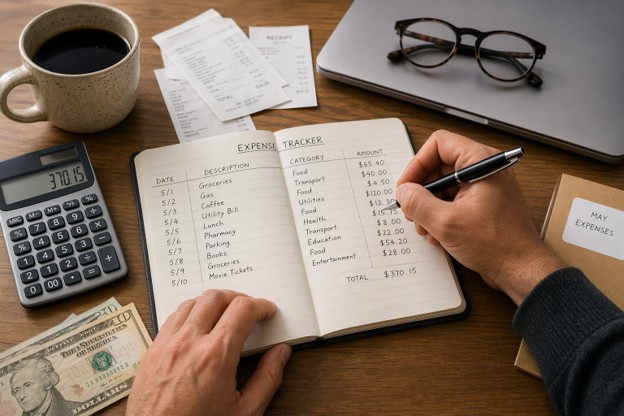
Take one item, find the price gap per unit, then multiply by how many you buy in a year.
Item | Name brand | Store brand | Annual gap (weekly buy) |
Coffee, per pound | $11.00 | $7.50 | $182 |
Paper towels, 6-roll | $12.00 | $8.00 | $208 |
Bottled water, 24-pack | $6.00 | $4.00 | $104 |
Run the same math on tea, beverages, liquor, and beauty items you restock monthly. Five swaps at $3 saved per week clears $700 a year.
Which Products Are Worth Switching or Keeping
Dry pantry staples, paper goods, and single-ingredient basics are near-automatic switches, while a handful of items with distinct flavor or texture justify paying more. Blind taste tests run by groups like Consumer Reports repeatedly show store brand versions matching or beating name brands in categories where the formula is standardized.
Pantry Staples and Baking Ingredients That Are Usually Easy Swaps
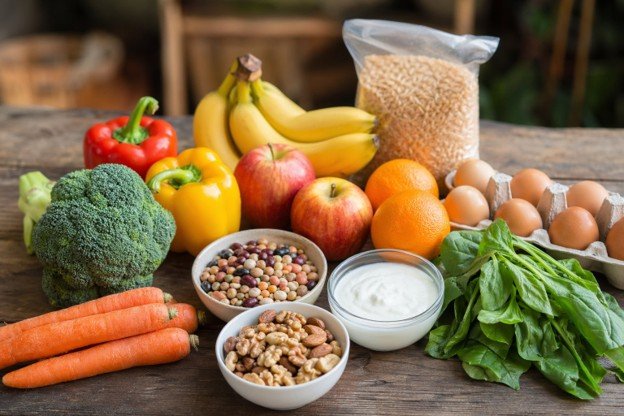
Rice, pasta, flour, sugar, oats, and baking soda are commodity products with almost no formula difference between labels. Salt is salt.
Canned goods follow the same rule. Canned beans, canned tomatoes, corn, and tuna vary more by grade than by brand name, so check the drained weight and the ingredient list.
Spices are the biggest markup in the aisle. Store brand jars and bulk bins cut that cost by half or more with no drop in flavor.
Dairy, Eggs, and Frozen Foods to Compare Before Buying
Milk, butter, eggs, and plain cheese are regulated commodities with tight quality standards, so store brand versions perform well. Yogurt and flavored dairy vary more, since sweetener levels and thickness differ by producer.
Frozen vegetables are picked and flash-frozen the same way regardless of label. Check for added sauces or salt, then buy the cheaper bag.
Frozen chicken and prepared frozen meals need a closer look. Compare the meat percentage and added water on the package before assuming the swap works.
Household and Over-the-Counter Essentials With High Repeat Savings
Toilet paper, paper towels, foil, laundry detergent, dish soap, and general cleaning supplies deliver steady savings because you rebuy them constantly.
Over-the-counter medicine offers the sharpest gap. Store brand acetaminophen contains the same active ingredient at the same strength as Tylenol, at a fraction of the price. Compare the active ingredient line on both boxes.
Detergent needs a load-count check. A cheaper jug that requires more per load erases the savings.
When Taste, Texture, or a Proprietary Recipe Can Justify the Premium
Some products earn their premium. Premium ice cream, certain cereals, specialty items, and sauces built on a guarded recipe often taste different in ways you will notice.
Coffee and chocolate fall here too, since sourcing and roast profile change the cup. If a store brand version disappoints, buying it twice is the expensive move.
Keep the name brand where a failed swap means throwing food away.
Build a Personal Keep-or-Switch List
Test one or two items per trip and write down the result. A note on your phone with two columns, switched and kept, takes a month to build and saves for years.
Rank by frequency first. The item you buy weekly deserves testing before the one you buy twice a year.
Revisit the “kept” column every six months, since manufacturers reformulate store brand products and a swap that failed in spring may pass in fall.