How to Save Money on Travel Basics: A Practical Plan
Travel costs cluster around four things: getting there, sleeping somewhere, eating, and moving around once you arrive. Control those four, and the rest of your trip budget mostly takes care of itself.

The fastest way to cut a travel budget is to change one big variable, your dates or your destination, before you spend hours hunting for small discounts. A flight moved two weeks later can save more than a month of skipped coffees.
Learning how to save money on travel basics comes down to a repeatable process: set a number, book the big items with intent, then keep daily spending inside a rough limit you check every few days.
Key Takeaways
- Set a total number and split it into transport, lodging, food, and activities before you book anything.
- Flexible dates, shoulder season timing, and lower-cost regions save more than chasing small discounts.
- Daily costs drop fast when you walk, eat where locals eat, and avoid card and data fees.
Build a Trip Budget Before You Book
A written budget turns vague plans into decisions you can compare. Once you know your ceiling, choosing between a beach week in Southeast Asia and a city break in Eastern Europe becomes arithmetic instead of guesswork, and you stop booking flights before you know what the rest of the trip costs.
What Should Your Travel Budget Include?
List every category, then assign a number to each. Missing categories are what blow up travel budgets, not overspending on the ones you planned for.
Category | What it covers |
Transport to destination | Plane tickets, trains, bags, airport transfers |
Accommodation | Nightly rate plus taxes, cleaning, resort fees |
Food and drink | Groceries, restaurants, coffee, water |
Local transport | Public transportation, rideshares, car rentals, fuel |
Activities | Tours, entry tickets, city pass |
Fixed extras | Travel insurance, visas, vaccinations, gear |
Buffer | 10 to 15 percent for delays and surprises |
Add a small line for souvenirs and gifts so those purchases do not eat your food budget in the last two days.
Then divide the total by the number of days. That daily figure is the number you will check against while you travel.
Choose Dates and Destinations That Stretch Your Money Further
Shoulder season, the weeks just before or after peak months, gives you lower prices and thinner crowds with weather that still works. Europe in late September, Hawaii in April, and beach regions right after high season all follow that pattern.
Destination choice moves your budget more than any other single decision. A daily spend that feels tight in Western Europe or the United States can feel comfortable in Thailand, Vietnam, Mexico, Egypt, or much of Central America.
Flying midweek and staying at least one weekend night also lowers fares on many routes. If your dates flex by a few days, search a whole month at once and let the cheapest window pick itself.
How Can You Find Better Airfare Without Chasing Every Deal?
Set alerts and check twice a week. Constant refreshing rarely beats a system that watches prices for you.
- Start with a broad search tool such as Google Flights, Skyscanner, or Kayak to see the price map for your whole month.
- Turn on flight alerts for your route through a deal service or fare tracker like Going or Hopper.
- Check the airline’s own site before you book; fare rules and change fees are frequently better direct.
- Price budget airlines with bags, seats, and boarding added, since the headline fare rarely reflects what you pay.
Booking domestic flights one to three months out and long-haul flights three to seven months out lands you in the reasonable range most of the time. Waiting for a last-minute collapse in price is a gamble.
Compare Accommodation by Total Value, Not Nightly Rate
Judge lodging by cost per night plus what it saves you elsewhere. A place with a kitchen and a walkable location often beats a cheaper room that forces three taxi rides and every meal out.
Options worth pricing side by side:
- Hostels through Hostelworld or Booking.com, including private rooms, which undercut hotels in expensive cities.
- Apartment rentals on Airbnb or Vrbo, best value for stays of five nights or more where weekly discounts apply.
- Camping near national parks and coastlines, the cheapest paid option in many regions.
- Free accommodation through Couchsurfing, house sitting, or work exchange programs such as Workaway and WWOOF, which trade a few hours of help for a bed.
Always read the final checkout screen. Cleaning charges, city taxes, and resort fees can add 20 percent or more to a rate that looked fine on the search page.
Use Rewards and Payment Methods Without Adding Debt or Fees
A travel rewards card helps only if you clear the balance every month. Interest wipes out point value faster than any welcome bonus creates it.
Two payment rules save real money abroad:
- Carry a credit card with no foreign transaction fees, since 3 percent on every purchase adds up across a two-week trip.
- Use a debit card that reimburses ATM fees for cash withdrawals, and take out larger amounts less often.
Check discounts you already hold before paying full price. Membership programs like AAA, coupons, and discount codes on sites such as Groupon and Expedia or Priceline sometimes cut attraction and car rental costs.
If your income is flexible, freelancing a few extra hours funds a trip without touching your regular savings.
Lower Costs While You Travel
Daily spending is where budgets quietly slip, and the fixes are small and repeatable: walk more, buy food where residents buy it, and stop paying fees you can avoid. A traveler who spends $60 a day instead of $95 buys an extra week on the same total.
How Can You Spend Less on Getting Around?
Walking is free and covers most city centers in under 30 minutes. It also shows you more of a place than any window seat.
For longer distances, buy a multi-day pass on public transport instead of single tickets. Trains between cities beat short-haul flights on total cost once you count airport transfers and bag fees.
Use Rome2Rio to compare bus, train, and flight routes on one screen. Download offline maps before you leave your accommodation so you never pay for data just to find a station.
Skip car rentals unless the region demands one, such as road trips through rural areas. Reserve Uber and other rideshares for late nights or heavy luggage.
Eat Well for Less by Following Local Habits
Food costs drop by half when you eat where locals eat. Street food, food trucks, and neighborhood cafés serve the same regional dishes as tourist restaurants at a fraction of the price.
Practical moves that work almost anywhere:
- Order the set menu at lunch, which is frequently the same kitchen’s dinner menu at a lower fixed price.
- Shop at local markets for bread, fruit, and cheese, then picnic in a park.
- Cook your own meals for breakfast and one other meal when your lodging has a kitchen.
- Use happy hour for drinks, and drink tap water where it is safe.
Carry a reusable water bottle. In places where tap water is not drinkable, buying large bottles for your room costs far less than small ones on the street.
Which Free and Low-Cost Experiences Are Worth Prioritizing?
Free walking tours give you orientation, history, and local recommendations on day one, which makes the rest of your trip cheaper to plan. Tip the guide what you can.
Other reliable low-cost options:
- Museums with free entry days or evening hours
- Hiking trails, beaches, and public parks
- Free events like markets, festivals, and outdoor concerts
- Flea markets, where browsing costs nothing and souvenirs cost less
A city pass pays off only when you will visit three or more of its included sites in the covered window. Do that math before buying.
Book tours directly with small local tour companies where possible. The same excursion often costs 20 to 30 percent less than through a resale platform.
Avoid Currency, Mobile Data, and Small Daily Fees
Withdraw local currency from a bank ATM and decline the machine’s offer to convert to your home currency. That conversion, called dynamic currency conversion, uses a worse exchange rate than your bank’s.
Skip airport currency exchange counters and hotel exchange desks. Their rates carry the widest spreads you will encounter.
For your phone, buy a local SIM card or an eSIM on arrival. Roaming charges from your home provider run many times higher, and WhatsApp handles calls and messages over Wi-Fi at no cost.
Watch for small recurring charges: checked bag fees, seat selection, tourist taxes collected at check-in, and daily insurance add-ons at rental counters that duplicate coverage your travel insurance or card already provides.
Track Spending and Adjust Before Your Budget Slips
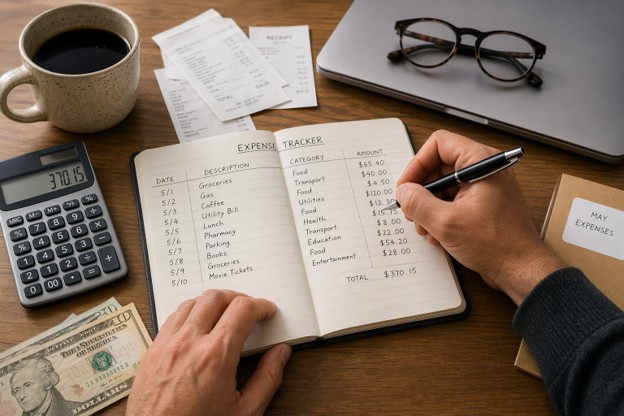
Log what you spend once a day, at the same time, in whatever app or notebook you will stick with. Two minutes each evening catches overspending while you can still fix it.
Compare your running total against the daily figure you set during planning. If you are 20 percent over on day four, adjust the next few days by cooking more meals or swapping a paid tour for a hike.
Keep a rough split by category so you know where the money went. Travelers usually find food and taxis are the leaks, not the big bookings.
Build in cheap days on purpose. Two low-cost days a week, spent walking a neighborhood or reading in a park, buy room for the one restaurant or excursion you came for.